 Image 1 of 1
Botanical Name: Triticum vulgare Botanical Family: Poaceae (Gramineae)
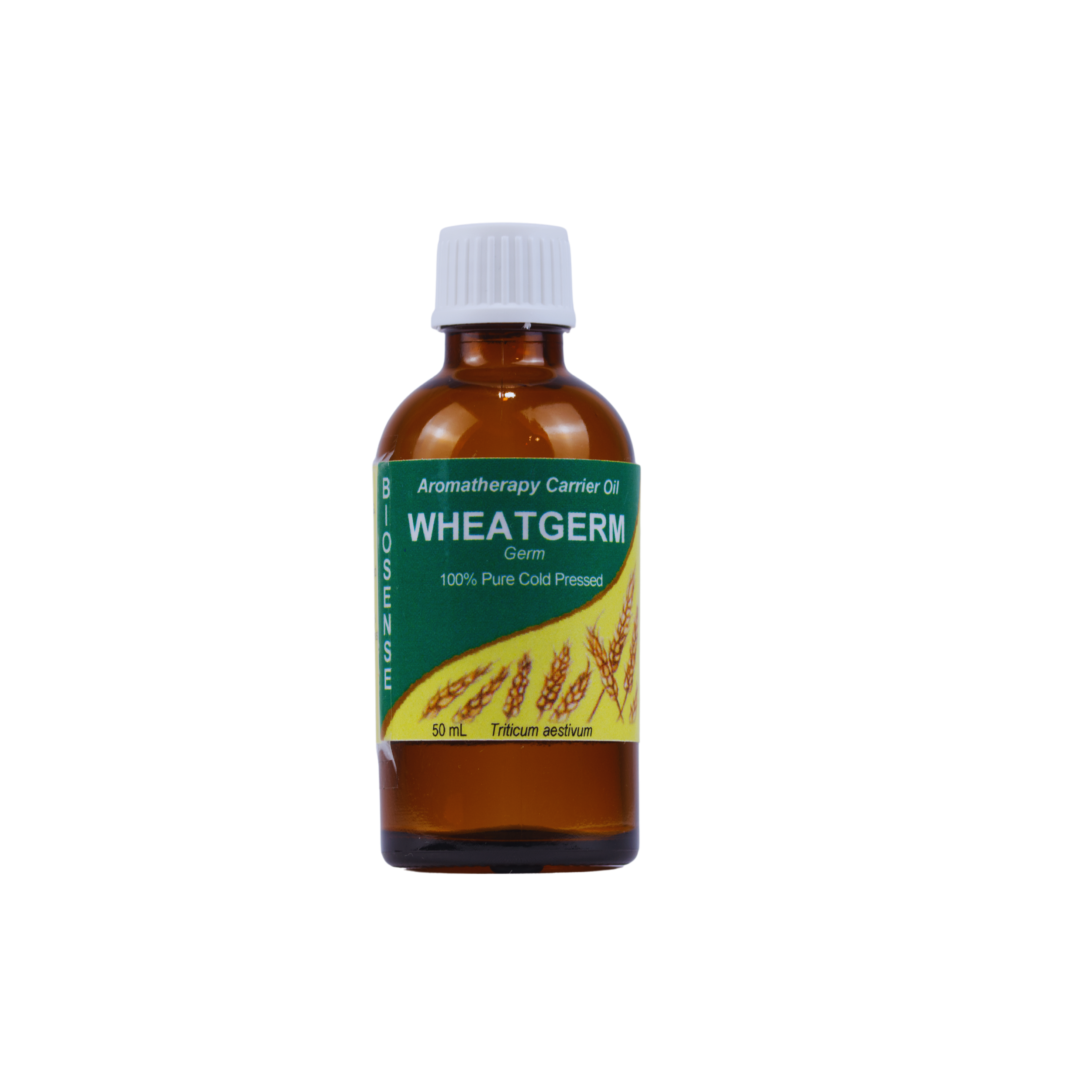
· Method: Cold Pressed (from the germ of the wheat kernel)
· Texture/Absorption: Very thick, heavy, and viscous. It absorbs slowly and leaves a significant protective layer on the skin.
· Color: Deep orange-brown to golden.
Wheatgerm oil is extracted from the "heart" or embryo of the wheat grain. Lawless describes it as a "richly nourishing" oil that is indispensable for dry and cracked skin. Because it is so dense, it is rarely used as a standalone base; instead, aromatherapists use it as a "booster" oil. One of its most famous traits is its ability to act as a natural antioxidant, helping to prevent other more delicate oils in a blend from going rancid.
Wheatgerm contains the highest concentration of Vitamin E (tocopherol) of any vegetable oil. It is also a rich source of Vitamin A, Vitamin D, and B-complex vitamins, along with essential fatty acids like Linoleic and Palmitic acid.
· Face: Primarily used for extremely dry, mature, or "dull" skin. It provides a massive hit of antioxidants that help fight free-radical damage.
· Body: Excellent for treating severely cracked skin, such as on the heels or elbows. It is recommended highly for preventing stretch marks and helping to heal scarred or sun-damaged tissue.
· Circulation: As an added note, its traditional use in supporting tired muscles and poor circulation when added to a massage blend.
1. Natural Preservative: Add a 10% splash of Wheatgerm oil to any of your homemade body oils or facial serums to help extend their shelf life naturally.
2. Overnight Heel Repair: Massage pure Wheatgerm oil into cracked heels before bed and put on cotton socks. Its heavy texture is perfect for deep, slow-release hydration.
Due to its strong, "cereal-like" aroma and heavy weight, it is best used at 5–10% dilution in a lighter base like Grapeseed or Apricot Kernel. It pairs very well with "strong" essential oils like Rosemary, Lavender, or Patchouli.
· Safety: Gluten Warning. While the oil is refined, those with severe Celiac disease or gluten intolerances should exercise caution or perform a patch test. It is also "highly comedogenic," meaning it should be avoided on acne-prone skin as it is likely to clog pores.
· Storage: Despite being rich in Vitamin E, the oil itself is quite sensitive to light and heat. Store in a cool, dark place. Typical shelf life is 6 to 12 months.
Available Sizes: 50ml, 100ml, 500ml
Botanical Name: Triticum vulgare Botanical Family: Poaceae (Gramineae)
· Method: Cold Pressed (from the germ of the wheat kernel)
· Texture/Absorption: Very thick, heavy, and viscous. It absorbs slowly and leaves a significant protective layer on the skin.
· Color: Deep orange-brown to golden.
Wheatgerm oil is extracted from the "heart" or embryo of the wheat grain. Lawless describes it as a "richly nourishing" oil that is indispensable for dry and cracked skin. Because it is so dense, it is rarely used as a standalone base; instead, aromatherapists use it as a "booster" oil. One of its most famous traits is its ability to act as a natural antioxidant, helping to prevent other more delicate oils in a blend from going rancid.
Wheatgerm contains the highest concentration of Vitamin E (tocopherol) of any vegetable oil. It is also a rich source of Vitamin A, Vitamin D, and B-complex vitamins, along with essential fatty acids like Linoleic and Palmitic acid.
· Face: Primarily used for extremely dry, mature, or "dull" skin. It provides a massive hit of antioxidants that help fight free-radical damage.
· Body: Excellent for treating severely cracked skin, such as on the heels or elbows. It is recommended highly for preventing stretch marks and helping to heal scarred or sun-damaged tissue.
· Circulation: As an added note, its traditional use in supporting tired muscles and poor circulation when added to a massage blend.
1. Natural Preservative: Add a 10% splash of Wheatgerm oil to any of your homemade body oils or facial serums to help extend their shelf life naturally.
2. Overnight Heel Repair: Massage pure Wheatgerm oil into cracked heels before bed and put on cotton socks. Its heavy texture is perfect for deep, slow-release hydration.
Due to its strong, "cereal-like" aroma and heavy weight, it is best used at 5–10% dilution in a lighter base like Grapeseed or Apricot Kernel. It pairs very well with "strong" essential oils like Rosemary, Lavender, or Patchouli.
· Safety: Gluten Warning. While the oil is refined, those with severe Celiac disease or gluten intolerances should exercise caution or perform a patch test. It is also "highly comedogenic," meaning it should be avoided on acne-prone skin as it is likely to clog pores.
· Storage: Despite being rich in Vitamin E, the oil itself is quite sensitive to light and heat. Store in a cool, dark place. Typical shelf life is 6 to 12 months.
Available Sizes: 50ml, 100ml, 500ml