 Image 1 of 1
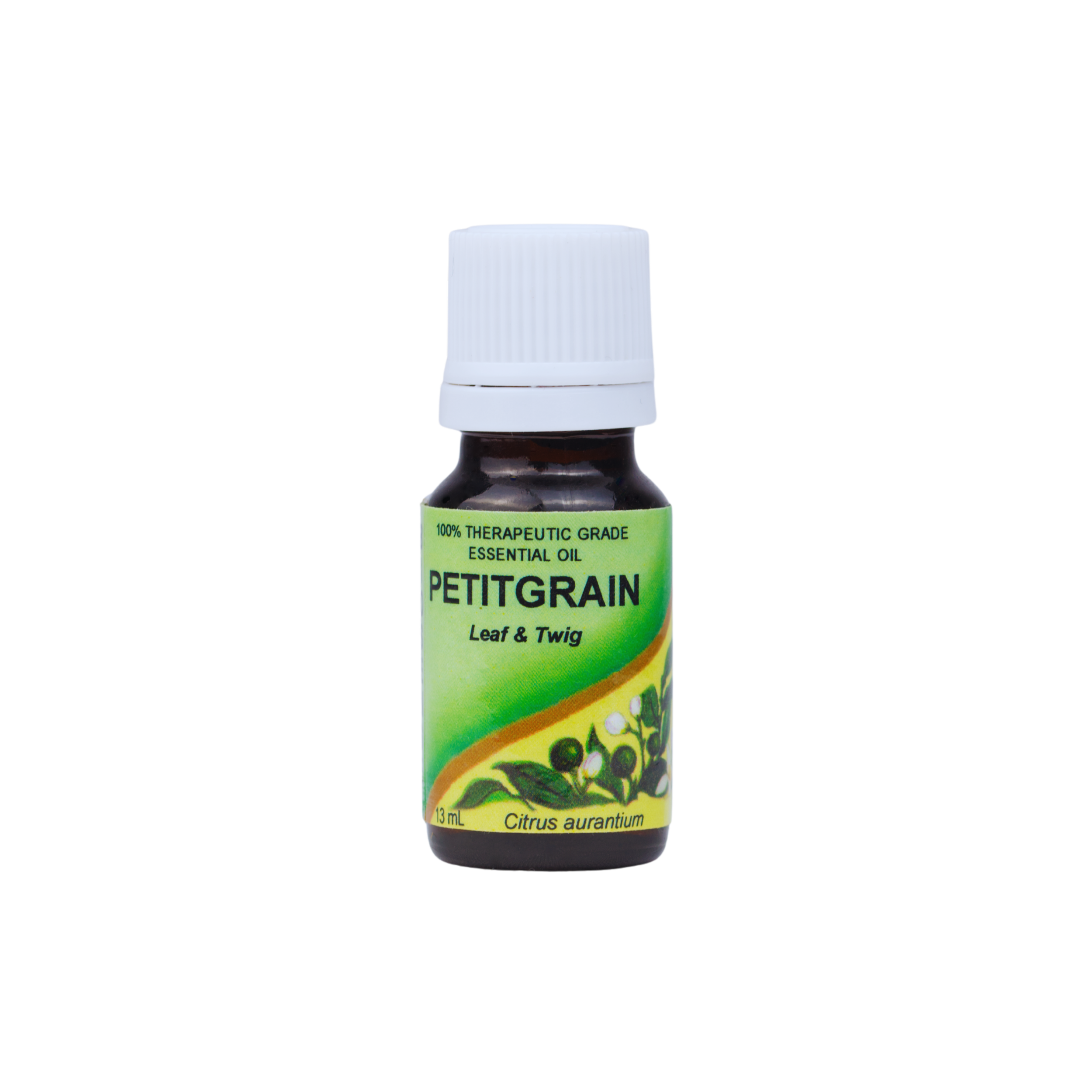
Botanical Name: Citrus aurantium Botanical Family: Rutaceae
· Extraction Method: Steam Distillation
· Part Used: Leaves and Twigs
· Aroma Note: Top to Middle
As mentioned earlier, the Bitter Orange tree is a "triple threat" in aromatherapy. While the peel gives us Bitter Orange oil and the flowers give us Neroli, the leaves and young green twigs give us Petitgrain. The name translates to "little grain," referring to the small, unripe oranges that used to be distilled along with the leaves. The aroma is fresh, floral, and herbaceous with a woody-orange undertone. It is often called "Poor Man’s Neroli" because it shares many of the same chemical properties and sedative benefits as the expensive flower oil, but at a fraction of the cost.
Antiseptic, Antispasmodic, Antidepressant, Deodorant, Digestive, Nervine, Sedative (mild), Stomachic, Tonic.
· Skin: It is a wonderful balancer for oily skin and greasy hair. It helps to clear up blemishes and acne by regulating sebum production without being as drying as some other oils. It also acts as a gentle deodorant for the skin.
· Respiratory: Not a primary use, though it can help relax the chest during a nervous cough.
· Digestive: Helps with "nervous stomach" and indigestion. It is an antispasmodic that relaxes the gut muscles.
· Immune System: Helps convalescents recover after a long illness by gently tonifying the system.
· Nervous System: This is Petitgrain’s specialty. It is highly effective for nervous exhaustion, stress, and insomnia. It helps to slow down a racing heart and calm the "fight or flight" response.
Petitgrain is the "Oil of Release." It is particularly helpful for those who have a tendency to "over-think" or who feel trapped in self-imposed mental patterns. It helps to dissolve the tension associated with high expectations and performance anxiety. It encourages us to "be" rather than "do," fostering a sense of self-acceptance and emotional equilibrium.
1. The "Mind-Quiet" Bath: Mix 4 drops of Petitgrain and 2 drops of Lavender in a tablespoon of carrier oil. Add to your evening bath to stop the "mental loop" of the day's events.
2. Natural Scalp Rinse: Add 2 drops to your final hair rinse after shampooing to help manage oily hair and leave a sophisticated, fresh scent.
3. The "Pre-Presentation" Inhaler: Place 1 drop of Petitgrain and 1 drop of Bergamot on a tissue. Inhale deeply before a meeting or speech to settle "butterflies" in the stomach and calm shaky nerves.
The "Deep Unwind" Blend Diffuse during high-stress periods to lower the collective "temperature" of the room
· 4 drops Petitgrain
· 3 drops Mandarin
· 2 drops Cedarwood
Bergamot, Cedarwood, Clary Sage, Clove, Cypress, Geranium, Lavender, Lemon, Mandarin, Neroli, Oakmoss, Palmarosa, Rosemary, Sandalwood, and Ylang Ylang.
Generally non-toxic, non-irritant, and non-sensitizing. Unlike the Bitter Orange peel oil, Petitgrain is not phototoxic, making it a very safe and versatile oil for topical use in the sun.
Available sizes: 13ml
Botanical Name: Citrus aurantium Botanical Family: Rutaceae
· Extraction Method: Steam Distillation
· Part Used: Leaves and Twigs
· Aroma Note: Top to Middle
As mentioned earlier, the Bitter Orange tree is a "triple threat" in aromatherapy. While the peel gives us Bitter Orange oil and the flowers give us Neroli, the leaves and young green twigs give us Petitgrain. The name translates to "little grain," referring to the small, unripe oranges that used to be distilled along with the leaves. The aroma is fresh, floral, and herbaceous with a woody-orange undertone. It is often called "Poor Man’s Neroli" because it shares many of the same chemical properties and sedative benefits as the expensive flower oil, but at a fraction of the cost.
Antiseptic, Antispasmodic, Antidepressant, Deodorant, Digestive, Nervine, Sedative (mild), Stomachic, Tonic.
· Skin: It is a wonderful balancer for oily skin and greasy hair. It helps to clear up blemishes and acne by regulating sebum production without being as drying as some other oils. It also acts as a gentle deodorant for the skin.
· Respiratory: Not a primary use, though it can help relax the chest during a nervous cough.
· Digestive: Helps with "nervous stomach" and indigestion. It is an antispasmodic that relaxes the gut muscles.
· Immune System: Helps convalescents recover after a long illness by gently tonifying the system.
· Nervous System: This is Petitgrain’s specialty. It is highly effective for nervous exhaustion, stress, and insomnia. It helps to slow down a racing heart and calm the "fight or flight" response.
Petitgrain is the "Oil of Release." It is particularly helpful for those who have a tendency to "over-think" or who feel trapped in self-imposed mental patterns. It helps to dissolve the tension associated with high expectations and performance anxiety. It encourages us to "be" rather than "do," fostering a sense of self-acceptance and emotional equilibrium.
1. The "Mind-Quiet" Bath: Mix 4 drops of Petitgrain and 2 drops of Lavender in a tablespoon of carrier oil. Add to your evening bath to stop the "mental loop" of the day's events.
2. Natural Scalp Rinse: Add 2 drops to your final hair rinse after shampooing to help manage oily hair and leave a sophisticated, fresh scent.
3. The "Pre-Presentation" Inhaler: Place 1 drop of Petitgrain and 1 drop of Bergamot on a tissue. Inhale deeply before a meeting or speech to settle "butterflies" in the stomach and calm shaky nerves.
The "Deep Unwind" Blend Diffuse during high-stress periods to lower the collective "temperature" of the room
· 4 drops Petitgrain
· 3 drops Mandarin
· 2 drops Cedarwood
Bergamot, Cedarwood, Clary Sage, Clove, Cypress, Geranium, Lavender, Lemon, Mandarin, Neroli, Oakmoss, Palmarosa, Rosemary, Sandalwood, and Ylang Ylang.
Generally non-toxic, non-irritant, and non-sensitizing. Unlike the Bitter Orange peel oil, Petitgrain is not phototoxic, making it a very safe and versatile oil for topical use in the sun.
Available sizes: 13ml