 Image 1 of 1
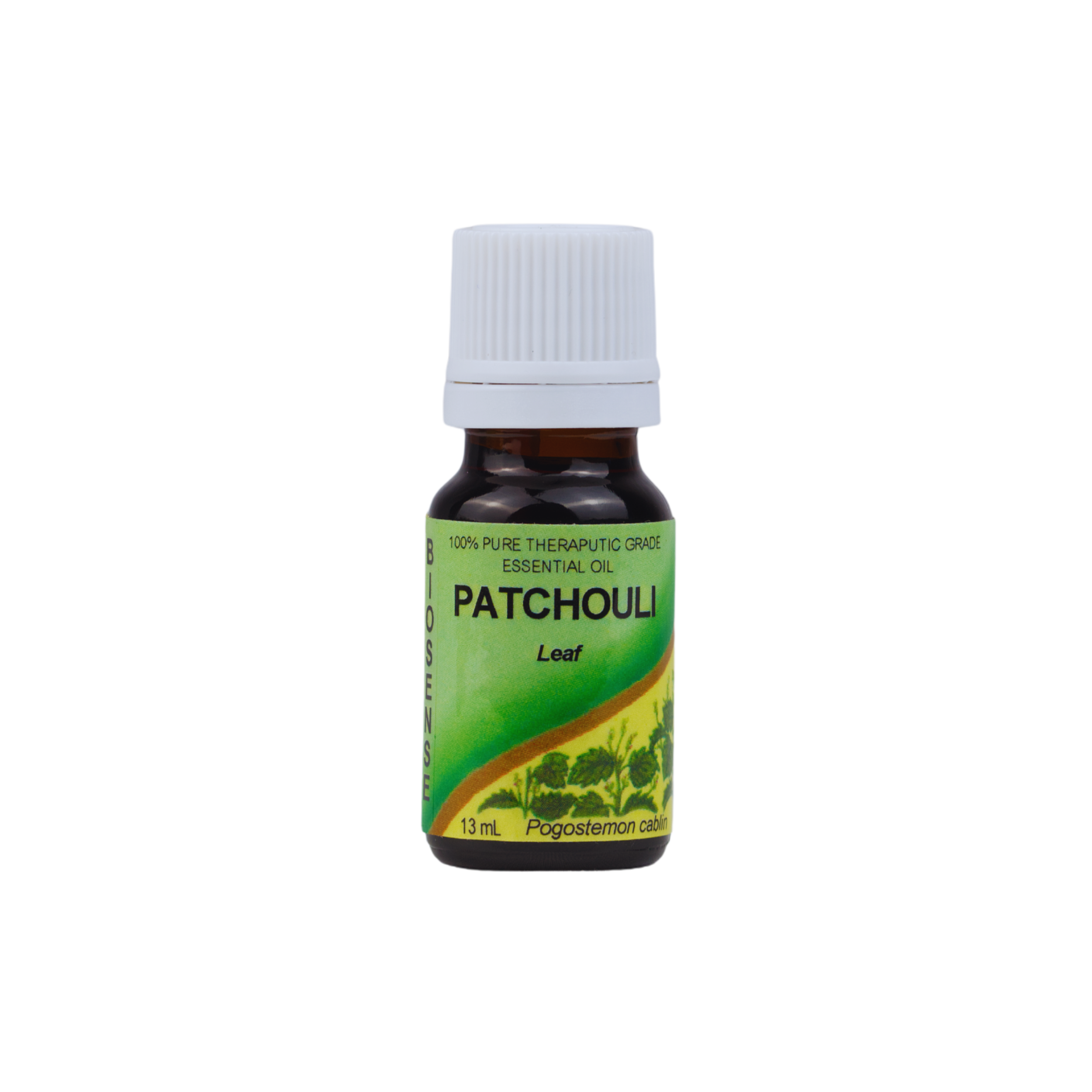
Botanical Name: Pogostemon cablin Botanical Family: Lamiaceae (Labiatae)
· Extraction Method: Steam Distillation
· Part Used: Dried and Fermented Leaves
· Aroma Note: Base
Patchouli is a bushy herb from the mint family, native to tropical regions of Asia. Interestingly, the oil improves with age—much like a fine wine—becoming deeper, smoother, and more mellow over time. While it is famously associated with the "hippie" movement of the 1960s, its history is one of luxury; it was used in the 18th and 19th centuries to scent Indian silk shawls to protect them from moths. The aroma is rich, earthy, smoky, and "dark-sweet." It is one of the most powerful fixatives in perfumery, meaning it helps other scents last longer.
Antidepressant, Antiphlogistic, Antiseptic, Aphrodisiac, Astringent, Cicatrizant, Cytophylactic, Deodorant, Diuretic, Febrifuge, Fungicidal, Insecticide, Sedative, Tonic.
· Skin: The premier oil for tissue regeneration. It is excellent for cracked skin, weeping eczema, acne, and mature wrinkles. Its astringent properties also make it useful for "sagging" skin after weight loss.
· Fungal Issues: Highly effective against athlete’s foot, fungal skin infections, and dandruff.
· Circulatory/Muscular: It helps with fluid retention and cellulite by stimulating the lymphatic system.
· Nervous System: Anxiety and stress-related conditions. In small doses, it is stimulating; in larger doses, it acts as a powerful sedative.
· Appetite: It is known to help suppress the appetite, making it a useful companion for those managing weight or emotional eating.
Patchouli is the "Oil of Physicality." It helps to ground those who live "too much in their heads" or feel disconnected from their bodies. It is particularly helpful for people who feel anxious or self-conscious about their physical appearance. Patchouli brings the spirit back down to earth, encouraging a sense of stability, presence, and sensual appreciation for life.
1. The "Heal-All" Skin Salve: Mix 2 drops of Patchouli and 2 drops of Lavender into a tablespoon of Calendula infused oil. Apply to dry, cracked elbows, heels, or slow-healing scratches.
2. Earthly Meditation Blend: Diffuse 2 drops of Patchouli and 4 drops of Sandalwood. This creates a deeply grounding, relaxed environment that is perfect for yoga or deep meditation.
3. Natural Moth Repellent: Place 2 drops of Patchouli on a cotton ball and tuck it into your wardrobe or sweater drawers. It protects your clothes while giving them a subtle, sophisticated scent.
The "Grounded Bloom" BlendA sensual, calming perfume or diffuser blend
· 3 drops Patchouli
· 4 drops Bergamot
· 2 drops Ylang Ylang
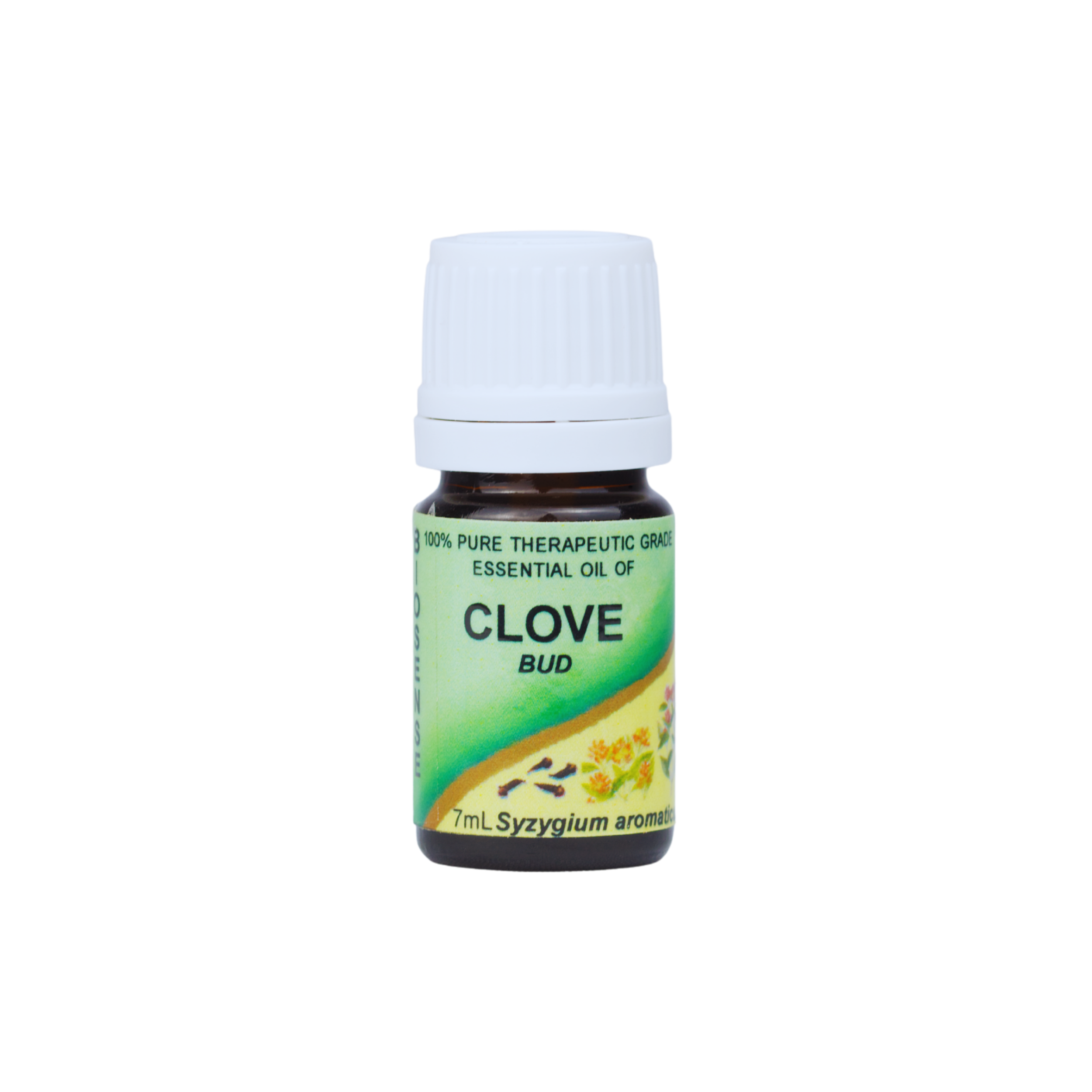
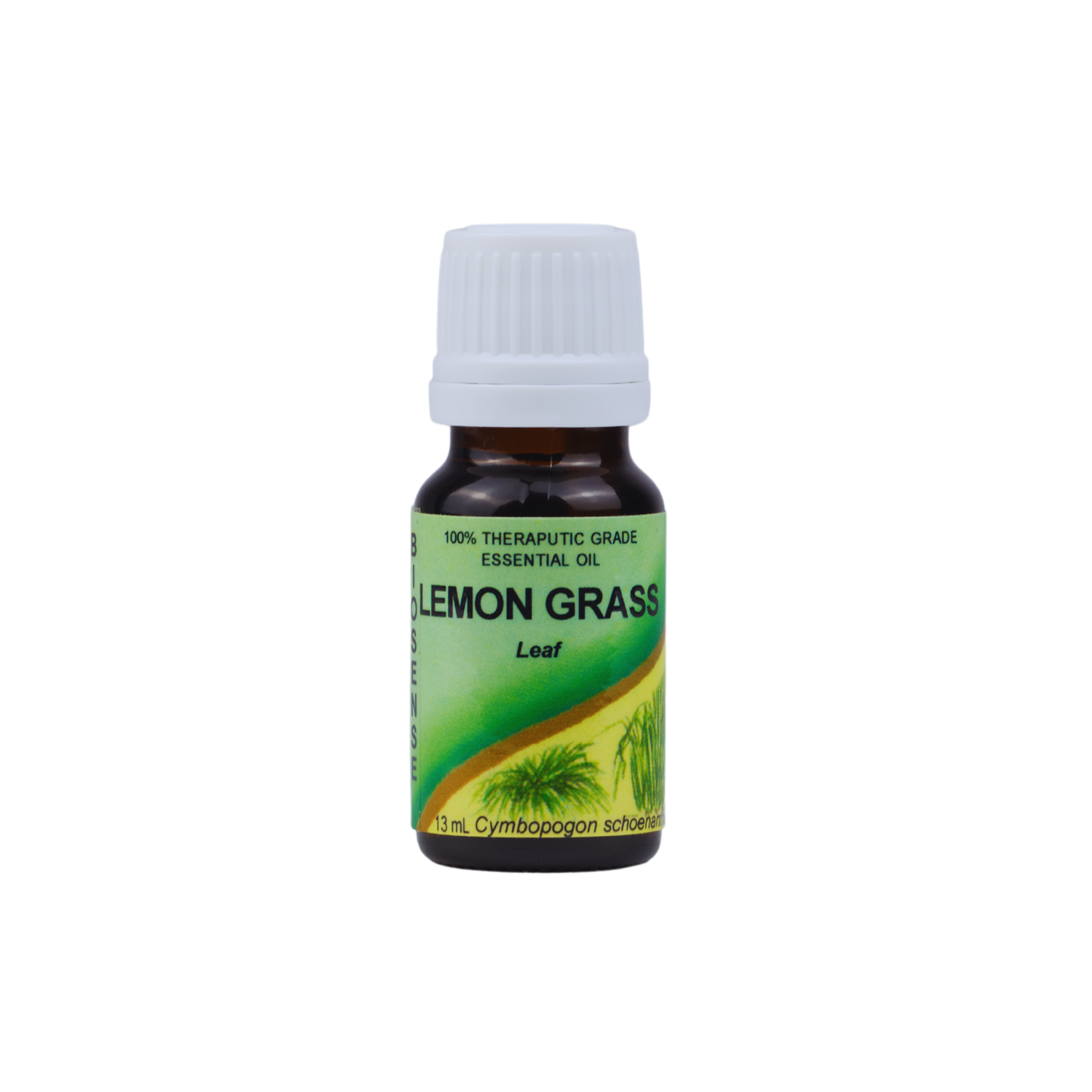
Bergamot, Black Pepper, Cedarwood, Clary Sage, Clove, Frankincense, Geranium, Ginger, Lavender, Lemongrass, Myrrh, Neroli, Rose, Sandalwood, and Vetiver.
Generally non-toxic, non-irritant, and non-sensitizing. However, because the aroma is so persistent and heavy, excessive use may cause loss of appetite or nervous sleeplessness in some individuals. It is a very "loud" oil—use sparingly!
Available sizes: 13ml
Botanical Name: Pogostemon cablin Botanical Family: Lamiaceae (Labiatae)
· Extraction Method: Steam Distillation
· Part Used: Dried and Fermented Leaves
· Aroma Note: Base
Patchouli is a bushy herb from the mint family, native to tropical regions of Asia. Interestingly, the oil improves with age—much like a fine wine—becoming deeper, smoother, and more mellow over time. While it is famously associated with the "hippie" movement of the 1960s, its history is one of luxury; it was used in the 18th and 19th centuries to scent Indian silk shawls to protect them from moths. The aroma is rich, earthy, smoky, and "dark-sweet." It is one of the most powerful fixatives in perfumery, meaning it helps other scents last longer.
Antidepressant, Antiphlogistic, Antiseptic, Aphrodisiac, Astringent, Cicatrizant, Cytophylactic, Deodorant, Diuretic, Febrifuge, Fungicidal, Insecticide, Sedative, Tonic.
· Skin: The premier oil for tissue regeneration. It is excellent for cracked skin, weeping eczema, acne, and mature wrinkles. Its astringent properties also make it useful for "sagging" skin after weight loss.
· Fungal Issues: Highly effective against athlete’s foot, fungal skin infections, and dandruff.
· Circulatory/Muscular: It helps with fluid retention and cellulite by stimulating the lymphatic system.
· Nervous System: Anxiety and stress-related conditions. In small doses, it is stimulating; in larger doses, it acts as a powerful sedative.
· Appetite: It is known to help suppress the appetite, making it a useful companion for those managing weight or emotional eating.
Patchouli is the "Oil of Physicality." It helps to ground those who live "too much in their heads" or feel disconnected from their bodies. It is particularly helpful for people who feel anxious or self-conscious about their physical appearance. Patchouli brings the spirit back down to earth, encouraging a sense of stability, presence, and sensual appreciation for life.
1. The "Heal-All" Skin Salve: Mix 2 drops of Patchouli and 2 drops of Lavender into a tablespoon of Calendula infused oil. Apply to dry, cracked elbows, heels, or slow-healing scratches.
2. Earthly Meditation Blend: Diffuse 2 drops of Patchouli and 4 drops of Sandalwood. This creates a deeply grounding, relaxed environment that is perfect for yoga or deep meditation.
3. Natural Moth Repellent: Place 2 drops of Patchouli on a cotton ball and tuck it into your wardrobe or sweater drawers. It protects your clothes while giving them a subtle, sophisticated scent.
The "Grounded Bloom" BlendA sensual, calming perfume or diffuser blend
· 3 drops Patchouli
· 4 drops Bergamot
· 2 drops Ylang Ylang
Bergamot, Black Pepper, Cedarwood, Clary Sage, Clove, Frankincense, Geranium, Ginger, Lavender, Lemongrass, Myrrh, Neroli, Rose, Sandalwood, and Vetiver.
Generally non-toxic, non-irritant, and non-sensitizing. However, because the aroma is so persistent and heavy, excessive use may cause loss of appetite or nervous sleeplessness in some individuals. It is a very "loud" oil—use sparingly!
Available sizes: 13ml