 Image 1 of 1
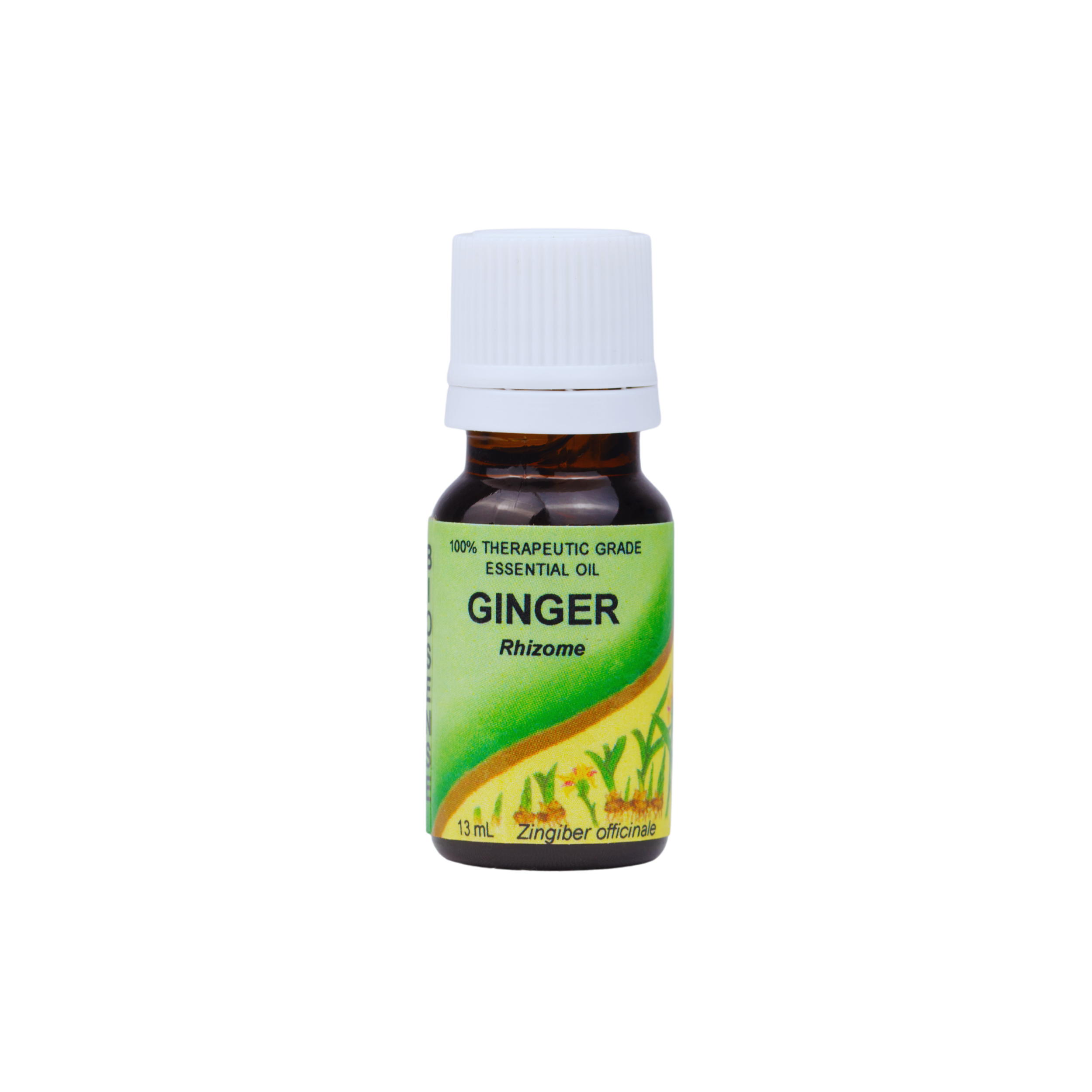
Botanical Name: Zingiber officinale Botanical Family: Zingiberaceae
· Extraction Method: Steam Distillation
· Part Used: Rhizome (Root)
· Aroma Note: Base to Middle
Ginger is a perennial herb with a thick, spreading rhizome that has been prized as a culinary spice and medicine for over 3,000 years. The essential oil is a warm, amber-colored liquid with a spicy, woody, and earthy aroma that carries a hint of lemon. Known as a "hot" oil, it is exceptionally effective at increasing circulation and generating internal heat, making it a favorite for cold constitutions.
Analgesic, Anti-emetic, Antiseptic, Antispasmodic, Aphrodisiac, Bactericidal, Carminative, Diaphoretic, Digestive, Expectorant, Febrifuge, Laxative, Rubefacient, Stimulant, Stomachic, Tonic.
· Skin: Not commonly used for skincare, though it can be used in very low dilutions for bruises or to stimulate local circulation.
· Respiratory: Catarrh, congestion, coughs, and sore throats. It helps to "thin" mucus and warm the lungs.
· Digestive: Colic, constipation, diarrhea, flatulence, indigestion, loss of appetite, and travel sickness. It is perhaps the most famous oil for relieving nausea and settled "queasiness."
· Circulatory/Muscular: Arthritis, muscular aches and pains, poor circulation, and rheumatism. Its rubefacient properties bring blood to the surface, providing deep relief to stiff joints.
· Immune System: Chills, colds, flu, and fever. It encourages sweating (diaphoretic), which helps the body naturally break a fever.
Ginger is the "Oil of Empowerment." It is used to instill "fire" and courage into those who feel powerless or stuck in a pattern of procrastination. It helps individuals take 100% responsibility for their life circumstances and provides the physical and mental stamina to see a task through to the end.
1. Anti-Nausea Inhalation: Place 1 drop of Ginger and 1 drop of Peppermint on a tissue and inhale deeply to combat motion sickness or general morning queasiness.
2. Warming Joint Rub: Mix 2 drops of Ginger with 1 tablespoon of carrier oil. Massage into cold, aching joints (especially during winter) to stimulate blood flow and ease stiffness.
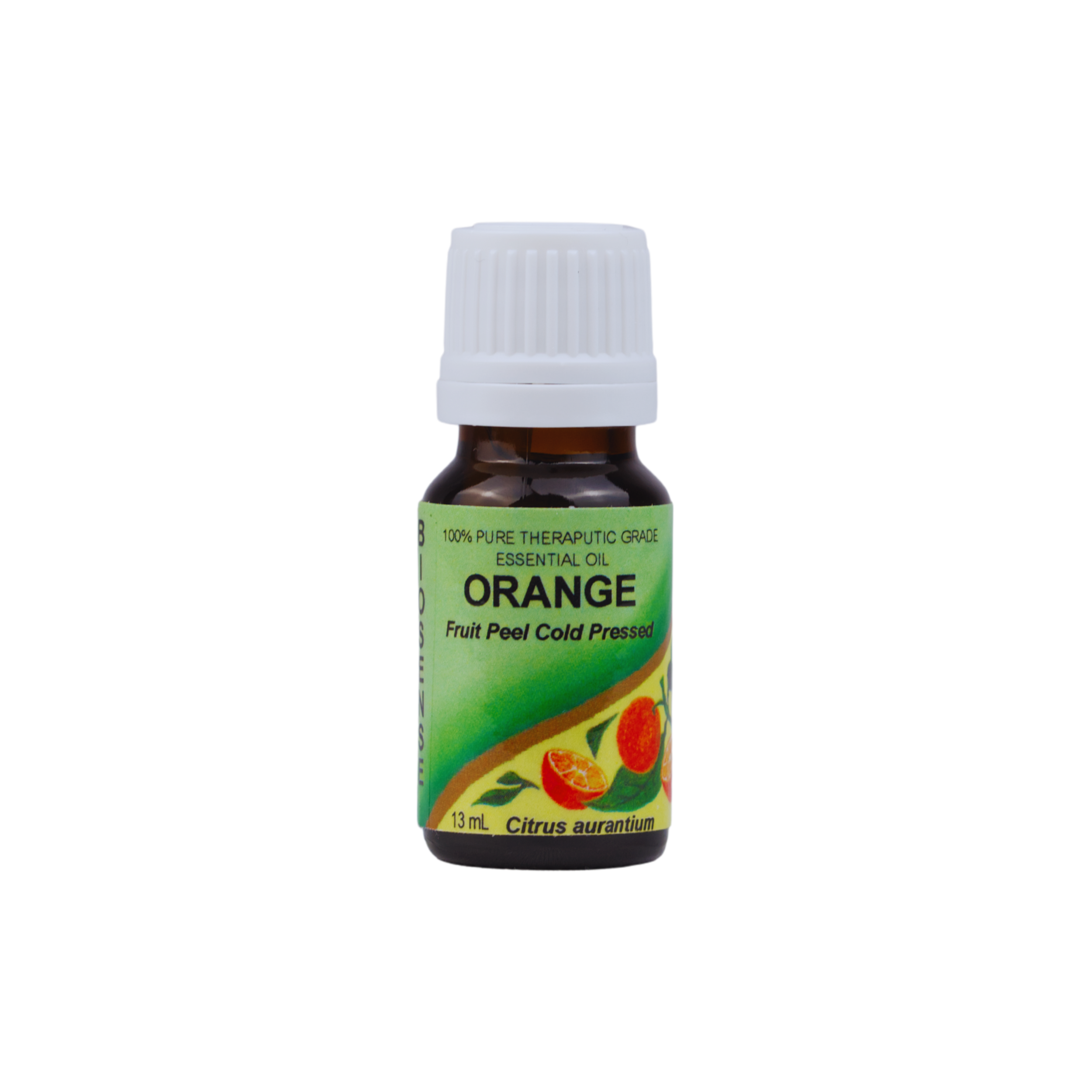
3. Winter Vitality Bath: Mix 2 drops of Ginger and 4 drops of Orange with a teaspoon of carrier oil and add to a warm bath to help ward off a "chill" after being out in the cold.
The "Digestive Ease" Blend Massage onto the abdomen or use in a diffuser to support a sluggish system
· 3 drops Ginger
· 4 drops Peppermint
· 3 drops Lemon
Bergamot, Cedarwood, Cinnamon, Clove Bud, Coriander, Eucalyptus, Frankincense, Geranium, Lemon, Lime, Neroli, Orange, Patchouli, Rose, Rosemary, and Sandalwood.
Ginger is a "hot" oil and can be a skin irritant if not properly diluted; always keep the concentration low (around 1%). It is non-toxic and non-sensitizing (except in high concentrations). It may cause photosensitivity if used on skin exposed to direct sunlight, though this is less common than with citrus oils.
Available sizes: 13ml
Botanical Name: Zingiber officinale Botanical Family: Zingiberaceae
· Extraction Method: Steam Distillation
· Part Used: Rhizome (Root)
· Aroma Note: Base to Middle
Ginger is a perennial herb with a thick, spreading rhizome that has been prized as a culinary spice and medicine for over 3,000 years. The essential oil is a warm, amber-colored liquid with a spicy, woody, and earthy aroma that carries a hint of lemon. Known as a "hot" oil, it is exceptionally effective at increasing circulation and generating internal heat, making it a favorite for cold constitutions.
Analgesic, Anti-emetic, Antiseptic, Antispasmodic, Aphrodisiac, Bactericidal, Carminative, Diaphoretic, Digestive, Expectorant, Febrifuge, Laxative, Rubefacient, Stimulant, Stomachic, Tonic.
· Skin: Not commonly used for skincare, though it can be used in very low dilutions for bruises or to stimulate local circulation.
· Respiratory: Catarrh, congestion, coughs, and sore throats. It helps to "thin" mucus and warm the lungs.
· Digestive: Colic, constipation, diarrhea, flatulence, indigestion, loss of appetite, and travel sickness. It is perhaps the most famous oil for relieving nausea and settled "queasiness."
· Circulatory/Muscular: Arthritis, muscular aches and pains, poor circulation, and rheumatism. Its rubefacient properties bring blood to the surface, providing deep relief to stiff joints.
· Immune System: Chills, colds, flu, and fever. It encourages sweating (diaphoretic), which helps the body naturally break a fever.
Ginger is the "Oil of Empowerment." It is used to instill "fire" and courage into those who feel powerless or stuck in a pattern of procrastination. It helps individuals take 100% responsibility for their life circumstances and provides the physical and mental stamina to see a task through to the end.
1. Anti-Nausea Inhalation: Place 1 drop of Ginger and 1 drop of Peppermint on a tissue and inhale deeply to combat motion sickness or general morning queasiness.
2. Warming Joint Rub: Mix 2 drops of Ginger with 1 tablespoon of carrier oil. Massage into cold, aching joints (especially during winter) to stimulate blood flow and ease stiffness.
3. Winter Vitality Bath: Mix 2 drops of Ginger and 4 drops of Orange with a teaspoon of carrier oil and add to a warm bath to help ward off a "chill" after being out in the cold.
The "Digestive Ease" Blend Massage onto the abdomen or use in a diffuser to support a sluggish system
· 3 drops Ginger
· 4 drops Peppermint
· 3 drops Lemon
Bergamot, Cedarwood, Cinnamon, Clove Bud, Coriander, Eucalyptus, Frankincense, Geranium, Lemon, Lime, Neroli, Orange, Patchouli, Rose, Rosemary, and Sandalwood.
Ginger is a "hot" oil and can be a skin irritant if not properly diluted; always keep the concentration low (around 1%). It is non-toxic and non-sensitizing (except in high concentrations). It may cause photosensitivity if used on skin exposed to direct sunlight, though this is less common than with citrus oils.
Available sizes: 13ml